Home / Country of Origin Meaning / Product Provenance
Business guidance
Product Provenance: Trace Your Product's Story
Product provenance is the story of where a product comes from and how it was made, supported by records. A useful record connects the finished item to its materials, people, places and manufacturing steps.
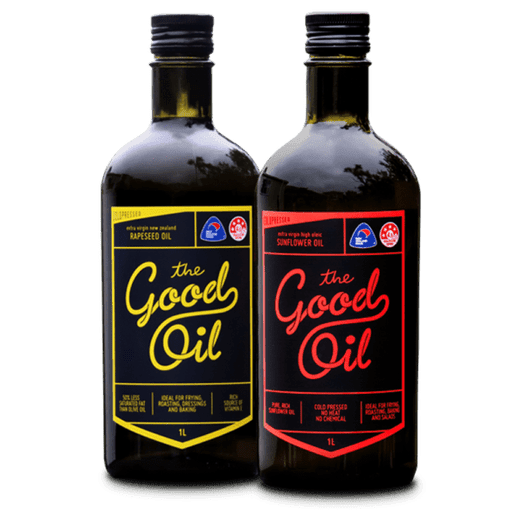
Pure Oil New Zealand's bottled oils, from our December 2023 story.
In this guide
Provenance, origin and product traceability
Create a record for one product first
Map the manufacturing sequence
Product provenance examples
From supplier answers to a clear customer story
Review changes before reusing a claim
Use provenance in your Kiwi trademark application
Your questions
Provenance, origin and product traceability
Provenance gives the wider account of a product's background. Country of origin describes where it comes from, while product traceability connects an identifiable item or batch through a process. The three can work together: a compelling story is easier to trust when the records behind it match the product being sold.
For a manufacturer, the aim is a record that another person can follow. If the only person who knows the supply chain is away, can a colleague still explain what was made, by whom and where? Start with that practical test. You do not need to begin with a new software platform; a well-organised folder and a consistent product record can make the first steps clear.
For a buyer, provenance helps turn broad descriptions into specific questions. 'Local materials' could refer to one component or the whole item. 'Handmade' describes a process but does not itself identify the country. Ask which parts of the story relate to the product you are considering.
Create a record for one product first
Field | What to record | Useful supporting material |
|---|---|---|
Product identity | Name, model, variant and batch or version | Specification, product photograph, order reference |
Materials | Main components and where they come from | Supplier declarations, invoices, material specifications |
Manufacturing | Each significant step and where it happens | Work orders, process descriptions, contractor details |
Finished item | Where the product takes its final form | Production and assembly records |
Claim | The exact public wording and where it appears | Packaging proof, label file, product page copy |
Review | Responsible person, review date and changes | Approval record and change log |
Keep evidence that identifies the item and the activity. An invoice for fabric establishes a purchase, but may not establish where it was woven. A photograph of a workshop shows a place, but may not identify which product was made there. Put the documents together so the connection is clear.
Use a consistent name for the product across the record, sales page and licence list. Where colours or sizes share a process, explain that grouping. Where one variant uses a different factory or component, record the difference instead of assuming the entire range is identical.
Map the manufacturing sequence
Write the process in the order it happens: materials received, cutting or forming, assembly, finishing, inspection and packing, as relevant. Add the business and country responsible beside each step. Identify the steps that create the finished product's essential characteristics.
This is more useful than counting the number of local steps. Several minor finishing activities do not necessarily outweigh an important manufacturing process performed overseas. Explain the nature of the work and its relationship to the finished item. Our Kiwi trademark application uses that product-specific context.
Ask contractors to describe the work they perform, not simply give a general statement that they are a local business.
Separate the origin of raw materials from the location of manufacture.
Identify processes carried out by another supplier rather than your own team.
Retain dated versions when the process changes.
Keep the public claim aligned with the process actually used for the goods sold.
Product provenance examples
Illustrative clothing record. A business buys imported fabric and has it cut and sewn in a New Zealand workroom. Its record identifies the fabric supplier, the workroom, the garment style and the cutting and sewing work. The maker can explain both the imported material and the local manufacture. This is an example of how to organise evidence, not a description of a particular licensee's file.
Illustrative bottled product record. A business imports a concentrate, adds water and bottles it locally. Its record separates the concentrate's origin from the blending and bottling location. The public wording needs to reflect that distinction; local bottling alone does not turn the concentrate's essential character into New Zealand manufacture.
These examples show why precise process information is useful. Two businesses can both perform work in New Zealand while the product-origin conclusion differs. A traceable record helps the right question reach the right person before packaging is printed.
From supplier answers to a clear customer story
Ask suppliers focused questions that they can answer accurately: 'Where is this component manufactured?', 'Which process do you carry out?', 'Does this answer cover this exact model?', and 'How will you tell us if the manufacturing location changes?' Keep the response with the product record and note when it was received.
Then write the customer version in plain language. Name the significant local activity, explain relevant imported inputs and avoid expanding a narrow fact into a broad claim. A product page rarely needs the entire evidence file, but the business should be able to support what the page says.
Consider an internal handover: the production team supplies process details, procurement confirms suppliers, and marketing checks that the proposed wording matches both. Agree who can approve the statement and who keeps the record. That makes the task repeatable as the range grows.
Review changes before reusing a claim
A provenance record is useful only while it matches the product. Reopen it when a factory, material, contractor, design or manufacturing method changes. Check old packaging, retailer descriptions and downloadable brochures as well as your own website.
Change | Review question |
|---|---|
New material supplier | Has the material's origin or specification changed? |
Work moved to a contractor | Where does the significant manufacturing now happen? |
New product variant | Does the existing record and licence list cover it? |
Packaging redesigned | Does the new presentation still give an accurate impression? |
Old stock remains | Can the customer tell which product version the claim describes? |
Keep a short change log with the date, the change, the documents reviewed and the person who approved the revised wording. If you cannot yet support a proposed claim, resolve the question before using it.
Use provenance in your Kiwi trademark application
Your product list and manufacturing explanation give us a practical starting point. The NZ Made logo guide sets out the licensing and artwork steps, and our labelling guide helps you consider the information customers need.
For an example of how origin can become a business story, read our December 2023 Pure Oil New Zealand profile. It describes the connection between local oilseed growers and production. A maker story and an internal evidence record serve different purposes, but a clear factual foundation helps both.
Before applying, check that someone outside production can follow the record from the named product to its significant manufacturing steps. Note any unanswered questions, gather the relevant documents and use the application to explain the product's actual circumstances.
Your questions
Is product provenance the same as traceability?
Provenance describes a product's background and making story. Traceability connects an identifiable product or batch through records, helping support that story.
Do I need blockchain to record provenance?
Start with the records and process you need to maintain. A consistent product file may be enough for your initial work; choose technology to suit the task.
Can a product have NZ provenance and imported materials?
A product can involve both local manufacture and imported materials. Describe each clearly and assess the significant manufacturing steps for the particular origin claim.
Your next step
Turn your manufacturing knowledge into a clear product record. Once your product list and process details are ready, start a Kiwi trademark application.

