Home / NZ Made Products / NZ Made Food
Buying local
NZ Made Food: Producers, Ingredients and Labels
Explore NZ made food through the growers, mills and manufacturers behind everyday products. Check where a food is made and where its ingredients come from as separate parts of the story.
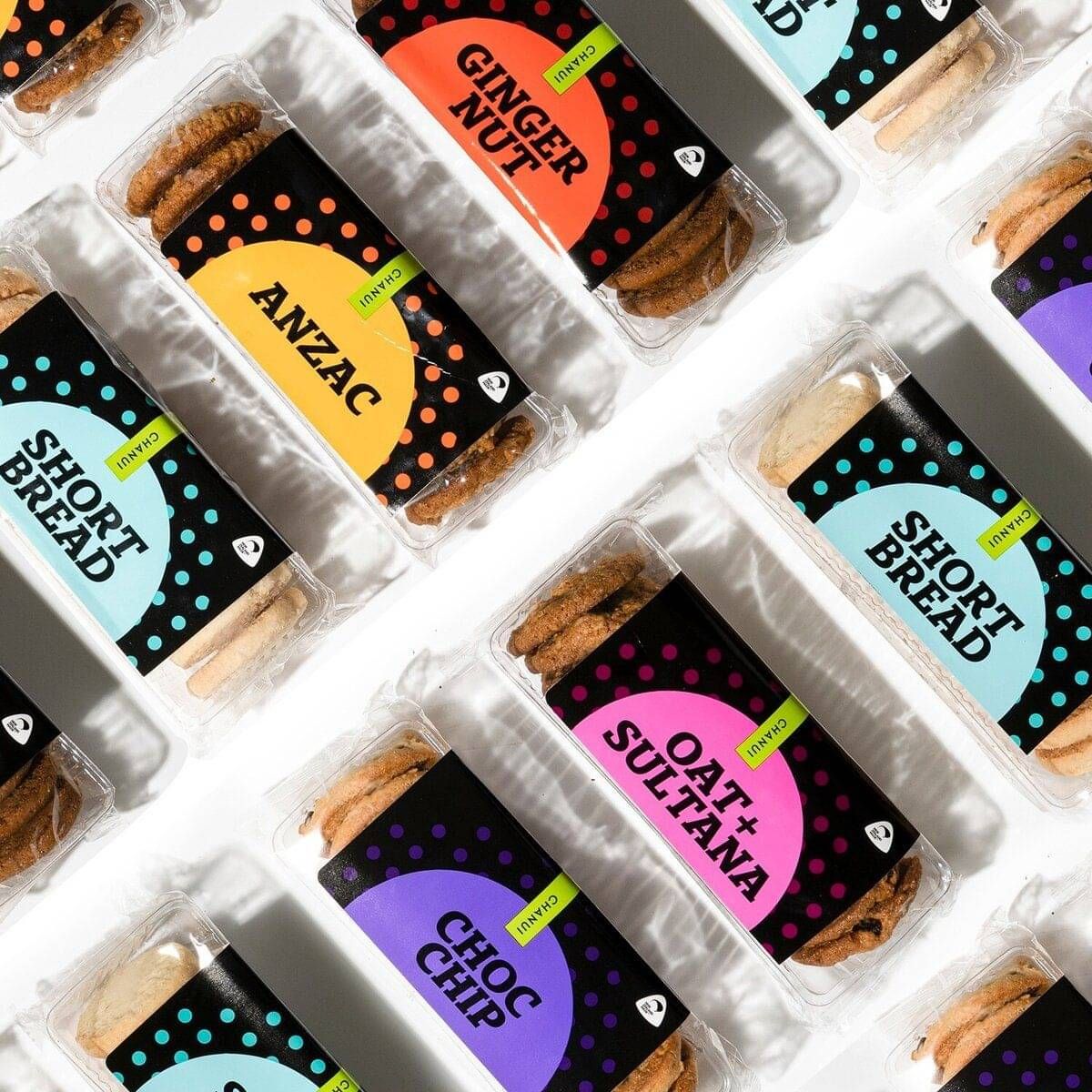
Chanui biscuits, featured in our January 2024 story.
In this guide
New Zealand food brands and producer stories
Made, grown and packed describe different things
Read the food label as a whole
Build a practical pantry shortlist
Food gifts and workplace orders
Verify the particular food
Your questions
Explore NZ made products.
New Zealand food brands and producer stories
Chanui
Chanui's January 2024 story features biscuits made in Christchurch, including shortbread, gingernuts and Anzac biscuits. It offers a starting point for a locally made food gift or something to share.Harraways
Our December 2020 Harraways profile explores oat milling in Dunedin. A pantry staple can be a manageable place to begin when comparing local food production.Pure Oil New Zealand
Pure Oil New Zealand's December 2023 profile describes the connection between local oilseed growers and oil production. It illustrates why the farm, ingredient and processing stages can all matter to a food's story.
Explore the wider NZ made products guide for other everyday purchases. Read each food's current product information and ingredient label before choosing it.
Made, grown and packed describe different things
Made refers to manufacture or production. Grown describes where an agricultural ingredient originates. Packed describes packaging. A food can involve more than one country across those activities, so read the exact wording instead of treating the terms as interchangeable.
A local address identifies the business responsible for the product; it does not tell you the origin of every ingredient. Likewise, local packaging alone does not establish that the food was made here. Ask the producer about the ingredient or process that matters to your choice.
Read the food label as a whole
Identify the exact product and pack size.
Read the ingredient list and allergen information.
Look for the manufacture or origin statement.
Check storage instructions and the relevant date marking.
Compare any claims about individual ingredients with the overall product description.
Certain foods have specific origin-information requirements, while other foods and claims need a different assessment. Our country of origin labelling guide explains the distinction. The required label for a fresh single-ingredient food is not automatically the same as one for a manufactured biscuit.
Build a practical pantry shortlist
Choose one category you buy regularly. Note the pack size, amount you use and what you need from the product. Compare a local option on that basis, including the delivered cost and storage space. Start with a quantity that suits your household.
For oats, consider the form and cooking instructions. For oil, check the intended culinary use and storage directions. For biscuits or snacks, consider the people who will eat them and any ingredient restrictions. Origin is one useful part of the decision alongside suitability and taste.
Food gifts and workplace orders
Food can be easy to share, but recipients may have different dietary needs. Confirm those needs before assembling a gift selection. Keep ingredient and allergen information available rather than discarding all labels when repacking a gift.
Our gift guide helps choose by recipient. For a larger order, the corporate gift checklist covers quantities, address lists, samples and delivery. Ask the supplier about storage and how the product should travel.
For an overseas recipient, check the destination's import rules before ordering. Food accepted in one country may face restrictions in another, and a courier booking does not establish admissibility.
Verify the particular food
Search the producer by name in our register and expand the product details. Use the product check for a specific brand or item.
If a detail is unclear, ask a focused question: 'Where is this product manufactured?' or 'Where is this ingredient grown?' Clear questions help you compare the same facts across products.
Your questions
Does NZ made food contain only NZ ingredients?
Manufacturing location and ingredient origins are separate facts. Read the product information and ask about the ingredients that matter to you.
Does packed in NZ mean made in NZ?
Packing describes packaging. It does not by itself establish where the food was made or grown.
Your next step
Choose a pantry item or gift you need, read its label and meet the producer behind it. Our product and licence-holder checks help you investigate the origin.

