Home › NZ Made Products › NZ Made Caravans
Outdoors and travel
NZ Made Caravans: How to Choose a New Zealand Built Caravan
By Buy NZ Made · Reviewed 16 November 2026
Thinking about an NZ made caravan? Here is how to compare New Zealand built caravans, what self-containment and the green warrant mean, the towing and WoF basics, and how to find caravan builders who hold the Kiwi trademark licence.
For first-time caravan buyers and anyone weighing a New Zealand built van against an import.
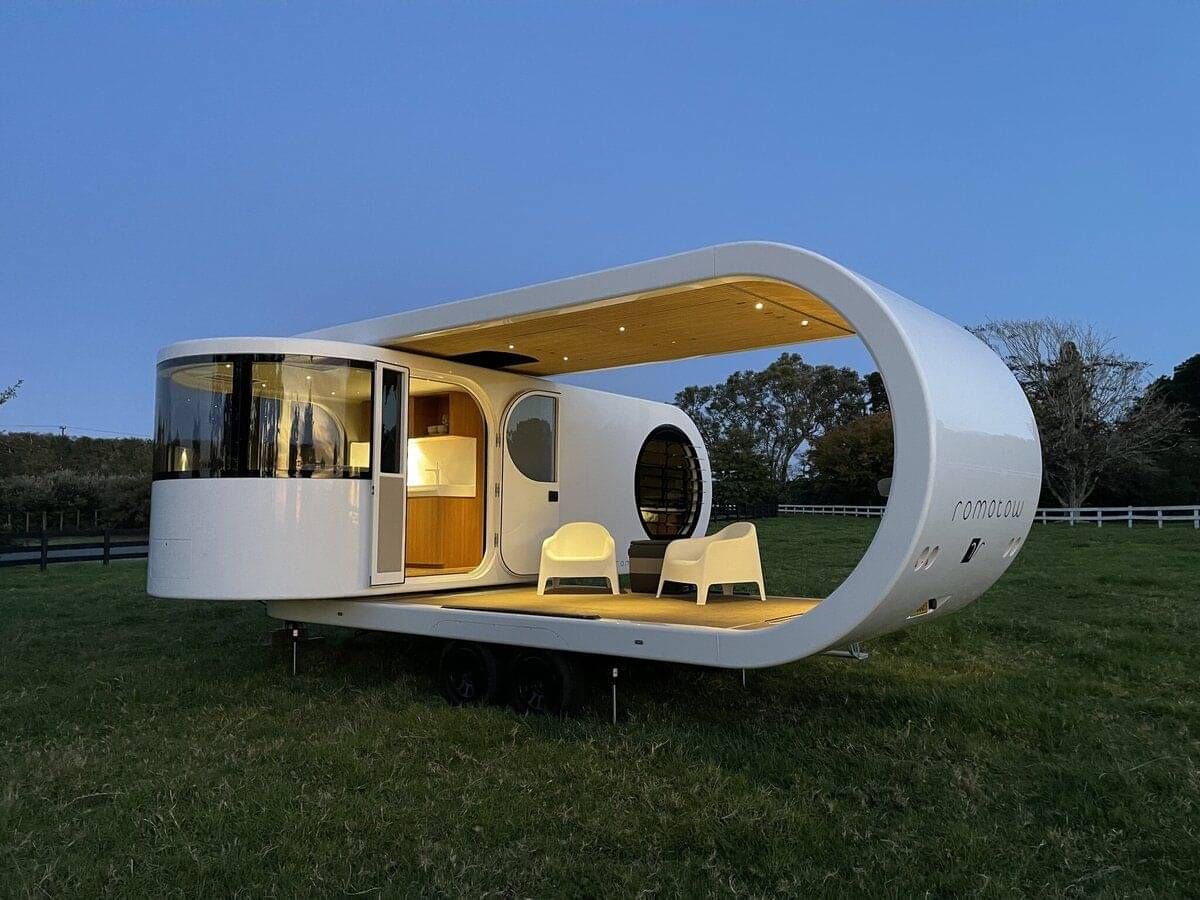
A Romotow caravan, designed and built in New Zealand and featured on our blog.
In this guide
NZ built caravan makers
Where to buy an NZ built caravan
Caravan types built here
Self-containment and the green warrant
Towing, weight and WoF
Build quality checklist
More guides to read next
Your questions
NZ built caravan makers
New Zealand has caravan builders turning out on-road vans, off-road vans and compact camper trailers designed for our roads and campsites. Many caravans sold here are imported. A New Zealand build can be easier to service, customise and repair locally.
Start with builders who hold a Kiwi trademark licence. Look for the Kiwi trademark on labels and makers' websites. You can look a business up on our licence-holder register by company name, and use the product check to confirm a model by brand or product name. This guide is part of our wider guide to NZ made products.
A New Zealand caravan from our blog
Romotow was founded by Stuart Winterbourn and Matt Wilke, who also run an architecture and engineering business. When we spoke to them in December 2023, they described a design with a raised platform for better views and protection from flooding, yacht-standard build quality and three separate zones so people can have some space to themselves on holiday.
Licences change over time, so check a builder's current listing on the register before you buy.
Where to buy an NZ built caravan
Direct from the builder, which lets you see the build and discuss options
Caravan and RV dealers: ask which models are designed and built here
Caravan and outdoor shows, where you can compare builders side by side
Wherever you buy, look for the Kiwi trademark on the label or the maker's website, then check the product with our product check.
Caravan types built here
Common caravan types
Type | Best for | Things to weigh up |
|---|---|---|
On-road caravan | Sealed roads and holiday parks | Most interior space for the money; heavier to tow |
Off-road caravan | Gravel roads, DOC campsites and remote spots | Stronger chassis and suspension, more clearance; heavier and dearer |
Pop-top | Lower towing height and better fuel use | Canvas sides need care; less insulation |
Camper trailer | Light towing and tent-style camping | Quick to tow, slower to set up; limited storage |
Compact or teardrop van | Couples and small vehicles | Light and easy to store; cooking is usually outside |
Ask a builder which roads and conditions their chassis and suspension are designed for, and whether they have tested it on gravel.
Self-containment and the green warrant
If you want to freedom camp on council land, your caravan must be certified self-contained under the new rules, which are run by the Plumbers, Gasfitters and Drainlayers Board (PGDB). A certified vehicle displays a green warrant and is listed on a national register.
From 7 June 2026, every vehicle used for freedom camping on council land needs a green warrant. The older blue warrants no longer count.
To be certified, a vehicle needs a permanently fixed toilet, along with fresh and grey water storage that meets the standard.
Certification is done by authorised certifiers, and warrants must be renewed.
Rules can change. Check the current requirements with the PGDB before you buy or certify, and ask a builder whether a new caravan comes certified.
Towing, weight and WoF
Under NZ Transport Agency (NZTA) rules, a caravan is a light trailer if it weighs no more than 3500 kg when fully loaded. Light trailers must be registered and have a current warrant of fitness (WoF).
Check your vehicle's towing capacity and towball limit in the owner's manual, and compare it with the caravan's gross laden weight, not just its empty (tare) weight.
Allow for water, gas, gear and passengers' luggage. These add up fast.
Brake requirements depend on the trailer's gross laden weight. Ask the builder what braking system is fitted and confirm it meets the rules for your loaded weight.
Check your driver licence covers the combination you plan to tow.
Caravans with 230 V mains wiring also need a warrant of electrical fitness, and gas systems should be installed and certified by a registered gasfitter.
Build quality checklist
Chassis: hot-dip galvanised steel resists rust; ask about the suspension and axle rating.
Body: how the walls, roof and floor are built and sealed; ask how leaks are prevented and repaired.
Insulation: important for shoulder seasons and the South Island.
Power: battery capacity, solar and inverter options if you plan to camp off-grid.
Warranty and service: what is covered, for how long, and who repairs it.
Ask whether the caravan is designed and built here, or imported and fitted out here. Under our Code of Practice, a product is made in New Zealand when it is transformed here so that its essential character comes into being here, and the Commerce Commission says assembling imported parts is not enough to call it New Zealand made.
New or used NZ built caravans
A used New Zealand built caravan can be good value. Check the WoF and registration, look for water damage around windows and roof seals, and ask the original builder whether parts and repairs are still available.
More guides to read next
NZ made trailers: box, boat and car trailers built here
NZ made outdoor furniture: for the campsite and the deck
NZ made products: every category in one place
Your questions
Do I need a green warrant for my caravan?
Only if you want to freedom camp on council land. From 7 June 2026 that requires a green warrant. Holiday parks and many DOC campsites do not need one; check before you go.
Does a caravan need a WoF?
Yes. A caravan is a trailer under NZTA rules, so it must be registered and have a current warrant of fitness.
What is the difference between tare and gross weight?
Tare is the caravan's empty weight. Gross laden weight is the maximum it can weigh fully loaded. Compare the gross figure with your vehicle's towing capacity.
Are NZ made caravans better for New Zealand roads?
A builder designing for local conditions can suit our gravel roads and campsites. Ask how the chassis and suspension have been tested.
Find a caravan builder you can check
Look up a maker on our licence-holder register by company name before you buy.
Build caravans in New Zealand?
A Kiwi trademark licence lets you show buyers that your caravans are built here, on the van, in brochures and online. Business licences start at $299 + GST a year for businesses with up to five staff, plus a one-off $95 + GST registration, and cover the products on your product list.
About this guide
Buy NZ Made licenses the Kiwi trademark to New Zealand businesses and has run the Buy NZ Made campaign since 1988. This guide draws on our Code of Practice (the rules every licence holder agrees to), Commerce Commission guidance on origin claims, PGDB guidance on self-containment, NZTA rules for light trailers and our interviews with licence holders.
Last reviewed 16 November 2026. Spotted something out of date? Email info@buynz.org.nz and we will check it.

