Home › NZ Made Products › New Zealand Souvenirs
Gifts and travel
New Zealand Souvenirs That Are Really Made in New Zealand
By Buy NZ Made · Reviewed 16 November 2026
Many New Zealand souvenirs are made overseas. Here is what to buy in New Zealand if you want gifts made here, how to spot imported Kiwiana, and how to send New Zealand gifts overseas so they arrive in good shape.
For visitors choosing what to bring back from New Zealand, and Kiwis sending gifts to friends overseas.
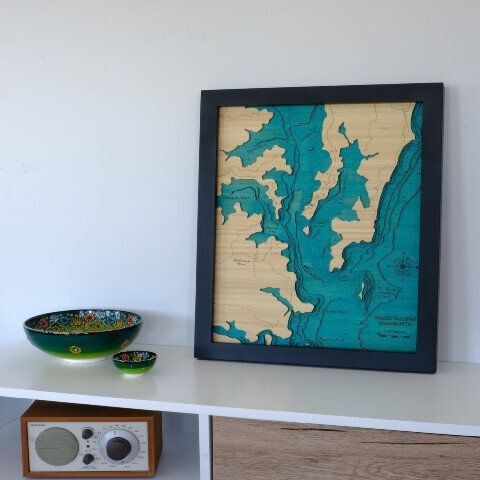
A 3D topographical map from Matai Gallery in the Wairarapa, featured on our blog.
In this guide
What to buy in New Zealand: souvenir ideas made here
How to spot imported Kiwiana
Pounamu souvenirs: check the trace code
Wool, merino and possum gifts
Food souvenirs and taking them home
Sending New Zealand gifts overseas
Souvenirs on a budget
More guides to read next
Your questions
What to buy in New Zealand: souvenir ideas made here
The best New Zealand souvenirs carry a real local story. Here are ideas by type, all of which you can find made here:
Souvenir ideas made in New Zealand
Type | Ideas | What to check |
|---|---|---|
Pounamu and carving | Pendants, earrings, bone and wood carvings | Authentication or trace code for pounamu; who carved it |
Wool, merino and possum | Knitwear, socks, beanies, blankets, sheepskin slippers and rugs | Knitted or sewn here, not just made from NZ fibre |
Wood and homeware | Native timber bowls, boards, wall art and maps | Timber source; made in the maker's own workshop |
Food and drink | Honey, chocolate, oats, preserves, gin, liqueurs | Made here, not just packed here; import rules at home |
Art and prints | Original art, prints and metal sculpture | Printed and framed here; artist's name |
Skincare | Soaps, balms and creams | Made here; liquids and airline limits |
This guide is part of our wider guide to NZ made products. For more gift ideas by occasion, see NZ made gifts.
Makers from our blog
A few licence holders we have interviewed show the range. Matai Gallery in the Wairarapa makes 3D topographical maps of New Zealand places. Classic Sheepskins tans New Zealand skins for rugs and slippers. Metalbird makes metal sculptures of native birds such as the fantail, kererū and tūī. Licences change over time, so check a maker's current listing on our licence-holder register.
How to spot imported Kiwiana
Souvenir shops are full of kiwi birds, ferns, flags and Māori designs. Plenty of those products are made overseas. The Commerce Commission warns that kiwi or flag imagery and New Zealand place names can give a misleading impression that something was made here.
Turn it over and read the label. Clothing and footwear must show where they were made.
Look for the Kiwi trademark and check the product on our product check.
Ask the shop who made it and where. A maker's name and town is a good sign.
Be wary of designed in New Zealand or New Zealand design. That tells you where it was designed, not where it was made.
Compare the price. A hand-carved piece sold for a few dollars is unlikely to be hand carved here.
Under our Code of Practice, a product is made in New Zealand when it is transformed here so that its essential character comes into being here. Packing, labelling or simple assembly is not enough.
Pounamu souvenirs: check the trace code
Pounamu (greenstone) is a taonga to Māori, and ownership of pounamu from the Ngāi Tahu takiwā sits with Ngāi Tahu. Jade from other countries looks similar and is sometimes sold as greenstone.
Ngāi Tahu runs an authentication scheme. Authenticated pounamu comes with a certificate or trace code you can check, showing where the stone came from. Ask for it, and ask who carved the piece. For more, see our guide to NZ made jewellery.
Wool, merino and possum gifts
New Zealand wool is one of the most popular things to bring back from New Zealand, and one of the easiest to get wrong. A lot of merino is grown here and knitted overseas.
Merino: soft, warm and light. Look for garments knitted or sewn here, not just made from New Zealand fibre.
Possum-merino blends: possums are a pest here, and the fibre is blended with merino for warmth. Possum blends are a genuinely local product.
Sheepskin: slippers, boots and rugs. Ask where the skins were tanned and the product sewn.
Blankets and throws: heavy but they pack flat.
See our guides to New Zealand knitwear and NZ made socks for more on fibre and where it is knitted.
Food souvenirs and taking them home
Food and drink make good gifts, but they are the most likely to be stopped at the border at home.
Honey: a classic. Many countries restrict honey imports, so check before you pack it.
Chocolate and sweets: usually allowed; keep them cool. See our New Zealand chocolate guide.
Gin and liqueurs: check duty-free allowances. See NZ made gin.
Packaged foods: sealed, labelled products travel best. Declare all food on arrival where you are asked to.
Biosecurity rules are strict in Australia and many other countries. Check the official rules for your destination before you buy food to take home, and declare it.
Sending New Zealand gifts overseas
If you are posting New Zealand gifts for overseas friends, choose things that travel well and will clear customs:
Pick light, flat or unbreakable items: socks, scarves, prints, maps, small carvings, soap and wooden pieces.
Avoid sending honey, meat, dairy and fresh food unless you have checked the destination's rules.
Ask the maker whether they ship internationally. Many makers send overseas and handle the paperwork.
Allow extra time before Christmas. International post slows down from November.
Keep the maker's card or tag in the parcel, so the recipient knows who made it and where.
Souvenirs on a budget
Made here does not have to mean expensive. Bars of handmade soap, merino socks, small prints, honey for the local table, oat or muesli packs and small wooden items are affordable and genuinely local. See natural soap made in NZ for one easy idea.
More guides to read next
NZ made gifts: ideas by recipient and occasion
NZ made jewellery: pounamu, silver and gold
New Zealand knitwear: merino and wool knitted here
Your questions
What should I bring back from New Zealand?
Something with a real local story: pounamu with a trace code, merino or possum knitwear knitted here, wood and art from local makers, or packaged food you can take through customs at home.
Are souvenirs with kiwi birds on them made in New Zealand?
Not necessarily. Kiwi or flag imagery describes the design, not the origin. Read the label, ask who made it, or check the product on our product check.
Can I take New Zealand honey overseas?
It depends on the country. Many restrict honey imports. Check the official biosecurity rules for your destination before you pack it.
What New Zealand gifts are good to post overseas?
Light, unbreakable things: socks, scarves, prints, small carvings, soap and wooden pieces. Avoid food unless you have checked the rules.
Find souvenirs you can check
Look up a maker on our licence-holder register by company name before you buy.
Make souvenirs or gifts in New Zealand?
A Kiwi trademark licence helps visitors and shoppers pick out gifts that are really made here. Business licences start at $299 + GST a year for businesses with up to five staff, plus a one-off $95 + GST registration, and cover the products on your product list.
About this guide
Buy NZ Made licenses the Kiwi trademark to New Zealand businesses and has run the Buy NZ Made campaign since 1988. This guide draws on our Code of Practice (the rules every licence holder agrees to), Commerce Commission guidance on origin claims and imagery, and our interviews with licence holders.
Last reviewed 16 November 2026. Spotted something out of date? Email info@buynz.org.nz and we will check it.

