Home › NZ Made Products › NZ Made T-Shirts
Clothing
NZ Made T-Shirts and Hoodies: Cut, Sewn and Printed Here
By Buy NZ Made · Reviewed 16 November 2026
Looking for NZ made t-shirts and hoodies? Here is the difference between a garment cut and sewn here and one printed here on an imported blank, how cotton, merino and hemp compare, what to know about custom and bulk orders, and how to find garment makers who hold the Kiwi trademark licence.
For shoppers, clubs, schools and businesses ordering tees and hoodies.
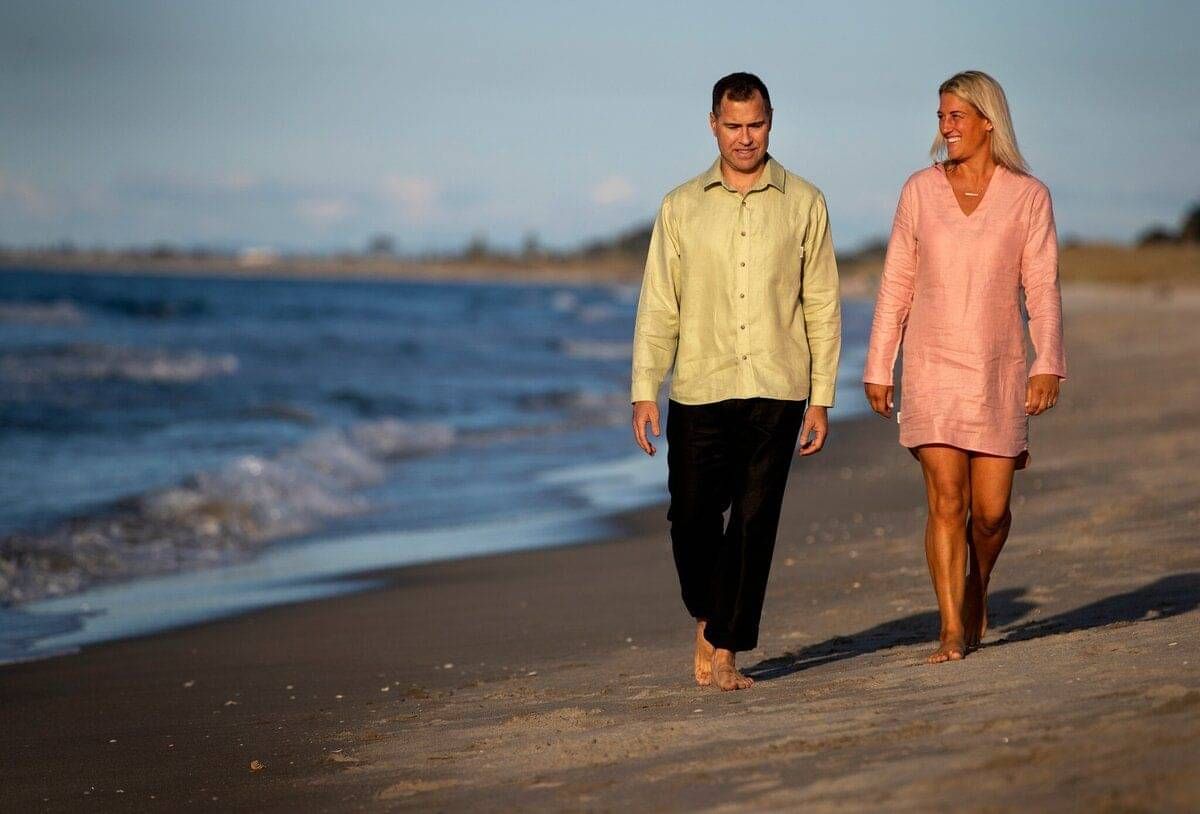
Hemp clothing from HempDepo, designed and hand sewn in Tauranga and featured on our blog.
In this guide
NZ t-shirt and hoodie makers
Where to buy NZ made t-shirts
Printed in NZ or made in NZ?
Cotton, merino and blends
Custom and bulk orders
Fit and care
More guides to read next
Your questions
NZ t-shirt and hoodie makers
Most t-shirts and hoodies sold in New Zealand are made overseas, including many that are printed here. A smaller group of makers cut and sew garments here, from basics labels to small studios making to order.
Start with garment makers who hold a Kiwi trademark licence. Look for the Kiwi trademark on labels and makers' websites. You can look a business up on our licence-holder register by company name, and use the product check to confirm a garment by brand or product name. This guide is part of our wider guide to NZ made products; for other clothing, see NZ made clothing.
A Tauranga maker from our blog
HempDepo was founded in 2021 by Clay Matthews and Hayley Moyle. When we spoke to them in January 2024, they described sourcing and testing hemp fabrics from around the world, then designing and hand sewing their pants, hoodies, shirts and tops at their shop in Tauranga's Historic Village. Licences change over time, so check a maker's current listing on the register.
Where to buy NZ made t-shirts
Direct from labels that cut and sew here, online or from their studios
Local fashion boutiques and markets
For bulk orders, ask decorators for a garment made here, not only printed here
Wherever you buy, look for the Kiwi trademark on the label or the maker's website, then check the product with our product check.
Printed in NZ or made in NZ?
This is the key question for t-shirts. Under our Code of Practice, a product is made in New Zealand when it is transformed here so that its essential character comes into being here. For a garment, that happens when the fabric is cut and sewn into the garment. That is why clothing cut and sewn here from imported fabric can be New Zealand made.
Printing a design onto a finished, imported t-shirt does not change what the garment is. The Commerce Commission is clear that minor processes or assembly are not enough to call something New Zealand made.
What garment labels tell you
Label or claim | What it tells you |
|---|---|
Made in New Zealand | Cut and sewn here; the fabric may be imported |
Printed in New Zealand | The print was applied here; the garment was usually made elsewhere |
Designed in New Zealand | Designed here; made elsewhere unless it says otherwise |
New Zealand merino | The fibre was grown here; check where it was knitted and sewn |
Clothing sold in New Zealand must carry a label showing where it was made. Read the sewn-in label, not just the print or the swing tag.
Cotton, merino and blends
Cotton: soft, breathable and easy to print. Organic cotton is grown without synthetic pesticides. Heavier weights (measured in grams per square metre) feel more substantial and last longer.
Merino: warm, breathable and resists odour, so it suits travel and layering. It needs gentler washing.
Hemp: strong, breathable and softens with wear.
Cotton-polyester blends: common for hoodies and sportswear; they hold shape and resist wrinkles.
Recycled fibres: some makers use recycled cotton or polyester.
Cotton is not grown in New Zealand, so cotton fabric is imported. That is normal and does not stop a garment cut and sewn here being New Zealand made.
NZ made hoodies
For hoodies, check the fabric weight, whether the inside is brushed fleece or loopback, rib cuffs that hold their shape, and reinforced seams at the pocket and hood.
Custom and bulk orders
Clubs, schools, events and businesses often order tees and hoodies in bulk. If New Zealand made matters to you, ask the supplier two questions: where is the garment made, and where is it printed or embroidered?
Ask for a sample, and check the sewn-in label.
Ask about minimum order quantities and lead times. Garments made to order here can take longer than printing on stock blanks.
Confirm the size range, colours and print method in writing.
Order early for events and Christmas.
For staff and client gifts, see NZ made corporate gifts.
Fit and care
Check the maker's size chart against a t-shirt you already own; measure across the chest and the length.
Ask whether cotton garments are pre-shrunk.
Wash inside out on a cool cycle to protect prints and colour.
Dry on a line in the shade; tumble drying shrinks cotton and wears prints faster.
Wash merino on a wool cycle and dry it flat.
More guides to read next
NZ made clothing: clothing made in New Zealand
NZ made underwear: merino and cotton underwear
NZ made socks: merino, possum and wool socks
Your questions
Is a t-shirt printed in New Zealand made here?
Not on its own. Printing a design on an imported t-shirt does not make the garment New Zealand made. Check the sewn-in label for where it was made.
Can clothing made from imported fabric be NZ made?
Yes. Under our Code of Practice, a garment cut and sewn here from imported fabric can be New Zealand made, because that is where it becomes a garment.
Can I order NZ made t-shirts in bulk?
Yes. Ask suppliers where the garment is made and where it is printed, check a sample and allow for longer lead times.
How do I stop a cotton t-shirt shrinking?
Wash it cool, dry it on a line and avoid the tumble dryer. Ask whether the garment was pre-shrunk.
Find a garment maker you can check
Look up a maker on our licence-holder register by company name before you buy.
Make clothing in New Zealand?
A Kiwi trademark licence lets you show shoppers and bulk buyers that your garments are made here, on labels, swing tags and online. Business licences start at $299 + GST a year for businesses with up to five staff, plus a one-off $95 + GST registration, and cover the products on your product list.
About this guide
Buy NZ Made licenses the Kiwi trademark to New Zealand businesses and has run the Buy NZ Made campaign since 1988. This guide draws on our Code of Practice (the rules every licence holder agrees to), Commerce Commission guidance on origin claims, New Zealand's clothing origin labelling rules and our interviews with licence holders.
Last reviewed 16 November 2026. Spotted something out of date? Email info@buynz.org.nz and we will check it.

